
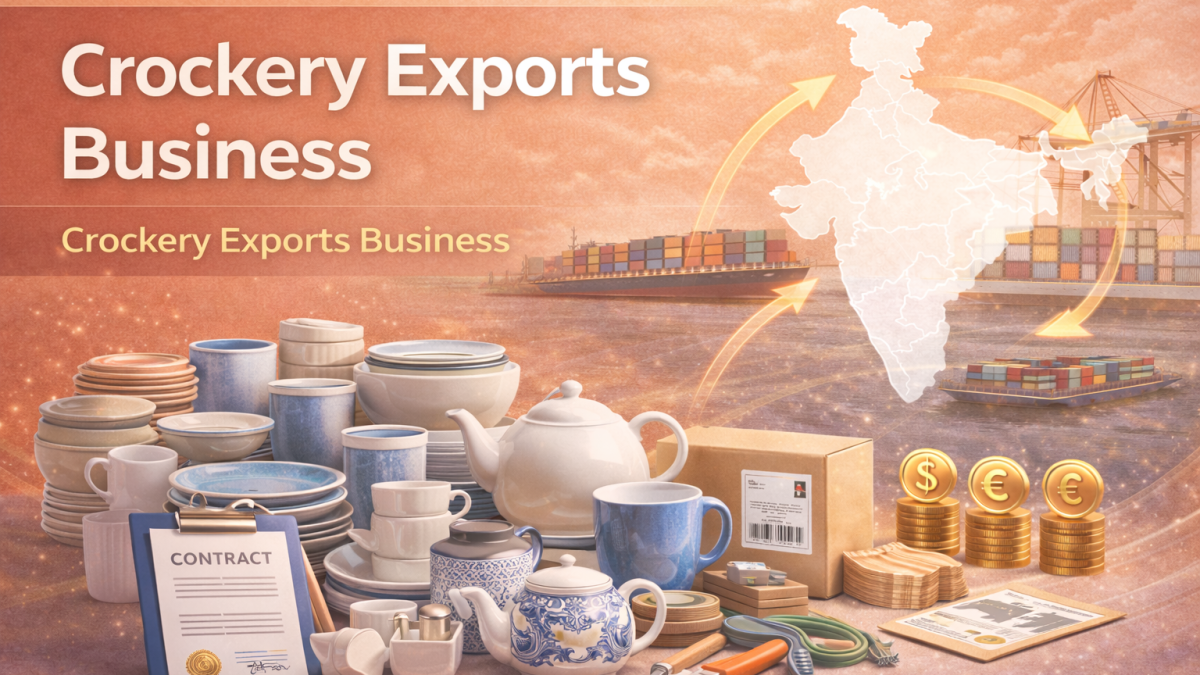
Crockery Export Trends Shaping the Global Tableware Market

Crockery is no longer just for plates and bowls. These days, it is all about style and lifestyle and culture and maybe even your social media aesthetic. From elegant European dining tables to Middle Eastern kitchen counters, crockery has firmly become part of contemporary life.
Crockery exports have shown a gradual increase in the past few years. People are spending more on their home decor, gifts and premium dining experiences that include tableware. Countries are buying more products from these categories. Restaurants, hotels, cafes, and even online shoppers are driving the demand.
So, in this article, we explore the leading trends of export crockery generating business in the global tableware market while knowing what has been changing for years.
5 Reasons Crockery Exports Are on the Rise Worldwide
Crockery is an essential requirement of every household, restaurant and function. But the way people select crockery has shifted. Today, consumers want products that look premium, feel unique and fit in with their kitchen style.
Here are a few reasons crockery exports are on the rise:
- Growth in global restaurant culture
- Less in-store shopping, more online buying for the home
- Gifting crockery sets for weddings and festivals
- Desire for high-quality and designer tableware
- Boom in tourism and hospitality industry
Gone are the days when crockery served merely a practical purpose. Now, it is about what something looks like and how it feels.
Trend 1: Simple and Beautiful Designs Have More Value
The trend for beautiful, simple crockery is perhaps the biggest trend in export.
A lot of international buyers like clean designs such as:
- plain white plates
- soft pastel bowls
- simple floral patterns
- smooth textures
- modern shapes
Such crockery is quite well suited for the table. It goes with everything, and that’s why it sells around the world.
Example
For a hotel in Dubai, there could be plain white ceramic plates because they appear premium and work for any type of cuisine.
Trend 2: Increasing Craze for Handmade and Craft Look of Crockery
Handcrafted crockery is returning as a popular trend across the world. Consumers are attracted to products that feel exclusive, natural and artistic.
Handcrafted tableware is popular because:
- every piece looks unique
- it feels premium
- it supports traditional craftsmanship
- it adds a touch of luxury to dining
Lots of buyers from Europe, USA and Australia eagerly want to buy handcrafted crockery.
Popular handmade styles include:
- clay-based plates
- rustic bowls
- hand-painted tea sets
- textured dinner plates
This is particularly positive for exporters in countries that boast a thriving artisan culture.
Trend 3: Eco-Friendly Crockery Becoming Popular Beyond India
Sustainability is a major decision factor now. Crockery that is safe to reuse and environment friendly is in demand from a lot of importers.
Buyers are focusing on:
- reusable dinner sets
- products made from natural materials
- long-lasting quality
- recyclable packaging
Plastic goods are declining in popularity and ceramics, porcelain or glass products are on the increase.
Example
A German retail brand might decide not to stock low-end plastic kitchen products and instead import ceramic dinner sets to encourage an eco-friendly lifestyle.
Trend 4: Growth in Exports of Premium and Luxury Crockery
Now many consumers are willing to pay more for quality tableware. This trend has led to an increase in the luxury crockery market.
Premium crockery is used in:
- fine dining restaurants
- wedding events
- luxury hotels
- high-end home decor buyers
This category includes products like:
- gold rim plates
- glossy porcelain sets
- designer coffee mugs
- premium serving bowls
Luxurious crockery exports are increasing due to the lifestyle trend of dining.
Trend 5: Microwave and Dishwasher Friendly Products Gain Importance
Modern households want convenience. That is why importers want crockery which can be used every day without fear.
The most requested features include:
- microwave safe
- dishwasher safe
- scratch resistant
- heat resistant
Exporters that include such features are winning bigger orders because buyers want long-term value.
Example
In the UK, a supermarket chain will rather import dishes which can be washed easily in dishwashers.
Trend 6: High Demand for Full Dinner Sets and Combo Packs
Most people like to order an entire set of crockery instead of individual pieces. This collection is rapidly gaining popularity in stores and online.
Popular export products include:
- 6 piece plate sets
- 12 piece dinner sets
- tea cup and saucer combos
- bowls and serving tray packs
Combo sets are also in trend as these make wonderful gifts too.
Trend 7: Social Media Is Driving Crockery Purchasing Decisions
Yes, even crockery can be swayed by Instagram and YouTube.
Food bloggers, chefs and home influencers are pushing aesthetic dining setups. Crockery that looks good in photographs is what people want.
Which is why there are rising export demands for:
- matte finish plates
- black dinnerware
- marble-style bowls
- pastel mugs
- unique shaped serving plates
The trend is clear. If it is pretty on camera, it sells quicker.
Trend 8: Middle East and Asia Are Emerging as Major Import Markets
Europe and the USA are still big buyers, but Middle Eastern and Asian countries are enjoying ever-increasing crockery imports.
Such regions are in high demand for the following reasons:
- growing hospitality sector
- rising population
- more modern homes
- increased disposable income
It is mainly bulk crockery that buyers in UAE, Saudi Arabia, Singapore and Malaysia import for their hotels and retail stores.
Trend 9: Demand for Custom Branding and Private Label Crockery Is Expanding
A lot of international companies are looking for crockery with their brand name on it.
Restaurants, cafes, hotels and shops are buying crockery that has:
- logo printed plates
- branded mugs
- customized packaging
- unique color themes
Exports of private label crockery have now started picking up as a lucrative business opportunity for manufacturers.
Example
A coffee chain in Canada may import cups with its logo printed for each location.
Trend 10: Seasonal Replenishment and Festival Orders Are Going Up
Crockery exports shoot up during festive and vacation periods.
Big demand comes during:
- Christmas and New Year sales
- Ramadan and Eid gifting
- wedding seasons
- Diwali and other Asian festivals
Importers stock up in advance. Exporters who prepare in advance reap larger profits when demand is highest.
Top 5 Products That Are Driving the Crockery Export Market
Some crockery items are more popular in export because people need them daily.
Most exported crockery items include:
- dinner plates
- soup bowls
- serving bowls
- tea cups and saucers
- coffee mugs
- glassware sets
- ceramic platters
- baking dishes
- kitchen storage jars
If you are considering exporting, the above products are a safe bet.
Challenges in Crockery Exports
There are challenges to exporting crockery too. It’s a delicate product and shipping requires good handling.
Common export challenges include:
- breakage during transport
- high packaging cost
- quality checking issues
- strict product specifications in some countries
- competition from low-cost manufacturers
But exporters who pay attention to packaging, quality and dependable deliveries can run a strong long-term business.
How Exporters Might Locate the Right Buyers and Markets
When it comes to crockery exports, choosing the right market is the key. Selling products in the wrong country can result in slow demand and low profits.
Exporters need to understand:
- which countries are buying more crockery
- what sort of crockery people prefer these days
- the principal buyers and sellers
- what pricing looks like in each market
This is where import-export stats come in very handy.
Siomex and How It Is Helping Crockery Exporters Take Better Decisions
If you are looking to expand your crockery export trade, then you don’t just guess these things. You need real market information.
Siomex is an import-export data provider that connects businesses with actionable trade information. It helps you understand who is purchasing crockery products and where the demand is growing.
With Siomex, exporters can:
- identify top importing countries
- find active buyers and importers
- track shipment patterns
- know the demand of products around the world
- design better sales and marketing planning
For instance, if you are an exporter of ceramic plates, Siomex supports you in finding which country has high demand for ceramic crockery and which importers are regularly placing orders.
This simplifies the process of reaching the right buyers with confidence.
Crockery Export Prospects: What to Expect From Now On
The future of crockery exports seems bright. There’s always going to be demand for tableware and it’s moving more towards better, design-led products.
In the years to come, we may see:
- more demand for designer crockery
- higher sales through online stores
- stronger focus on eco-friendly materials
- increasing demand for personalized products
- growth in hospitality-driven imports
Exporters that are in tune with trends and can quickly adapt will be successful.
Conclusion
The world market for tableware is being greatly influenced by crockery exports. The demand is no longer just for basic plates and cups. Buyers are looking for contemporary product designs, premium quality, eco-friendly options, and products that match lifestyle needs.
From handmade rustic pieces to luxury porcelain dinner sets, the market is flooded with sales opportunities. The trick is to figure out what buyers are looking for and where demand is rising.
If you’re interested in establishing a solid export business, tools like Siomex will enable you to find the right buyers and markets based on import-export data.
The global dining table is evolving, and crockery exporters have a golden opportunity to evolve with it.
FAQs on Crockery Export Trends
What types of dishes are more popular in the world?
Dinner sets, ceramic plates, coffee mugs, bowls and serving trays are some of the highest demanded crockery items in the foreign market.
Why are we returning to handcrafted crockery
Handmade crockery looks different, feels premium and gives a traditional feel. It is natural and many buyers prefer it because it stands apart from factory-made designs.
What is the highest-selling crockery in Europe and America?
Simple designs, pale color tones, matte plates and eco-friendly ceramic items are selling well in Europe and the USA.
Is eco-friendly crockery really trending?
Yes. Nowadays most importers are interested in reusable tableware items. Eco-friendly dishes are now a worldwide trend.
Which are the growing markets of export for crockery?
Middle East, Asia and Africa are emerging markets because the hospitality sector is expanding and demand for premium dining items is rising.
What are the key challenges in crockery exports?
The key challenges are breakage during transit, cost of packaging and compliance with quality standards in importing nations.
Where can I get buyers to export crockery?
Buyers can be discovered through online marketplaces, trade shows, business networking and import-export data platforms.
What does Siomex do and how can it benefit crockery exporters?
Siomex is an import-export data provider which helps businesses find the right export markets, identify importing countries, and understand product demand for faster business planning.
Is branded crockery export profitable?
Yes. Private label and custom logo crockery is becoming more popular, especially in cafes, restaurants and hotels all over the world.
What is the future of the crockery export business?
The future looks optimistic because global demand for high-quality, trendy and eco-friendly tableware is growing. Exporters who stay updated with trends should see strong growth.