
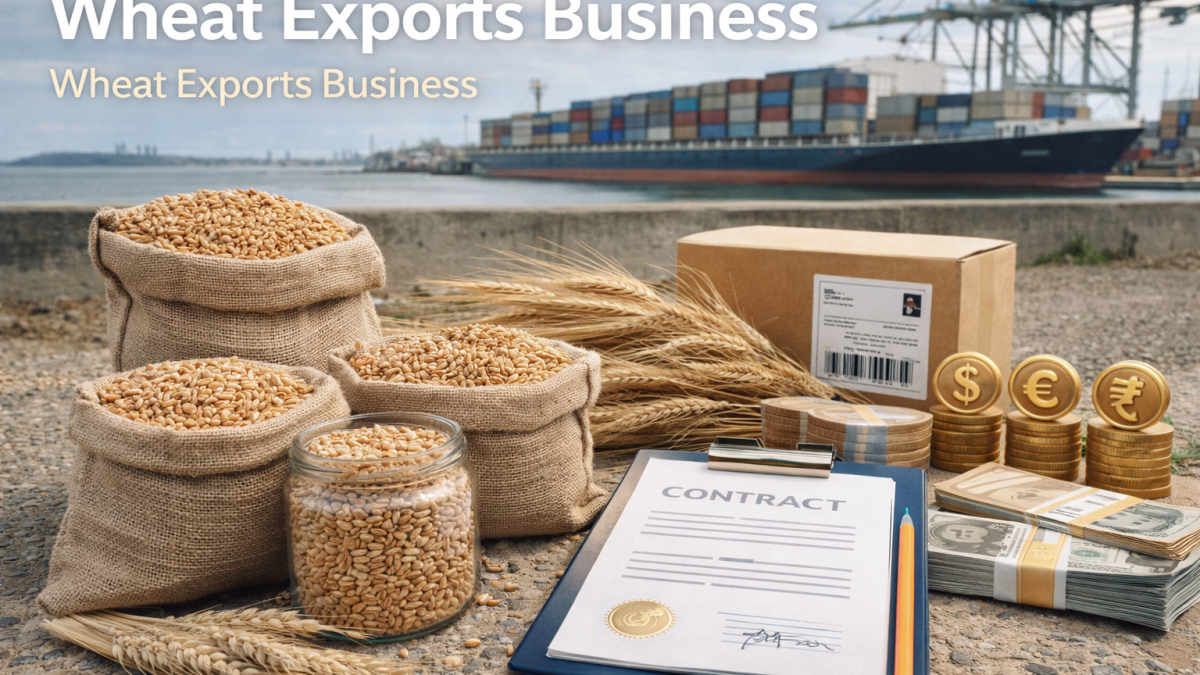
How Wheat Export Is Expanding Across Global Markets

Why Wheat Export Is Growing Worldwide
Wheat is one of the most important food grains in the world. It is used every day in homes, restaurants, and food factories. From bread and biscuits to pasta and noodles, wheat plays a major role in global food habits.
In the past, wheat was mostly grown and consumed within the same country. But now things are changing. Today, wheat export is growing fast and reaching many new global markets. Countries that produce more wheat than they need are selling it to countries that face shortages or cannot grow enough due to climate or land limits.
Let’s understand how wheat exports are expanding, why demand is rising, and what is pushing this global growth.
Main reasons behind the growth include:
- Rising population in many regions
- Increasing use of wheat in processed food
- Climate changes affecting local farming
- Better transport and storage facilities
- Strong demand from countries with low production
For example, if a country faces drought and wheat production drops, it must buy wheat from another country to maintain food supply. This simple reason creates a huge export opportunity for wheat-producing nations.
Wheat Is No Longer Just a Traditional Food
Earlier, wheat was mainly used for basic meals like roti, bread, and porridge. But now, wheat has become a part of modern lifestyle foods too.
Today, wheat is used in:
- Bakery items like cakes, cookies, pastries
- Pasta and noodles
- Breakfast cereals
- Snacks and chips
- Packaged ready-to-eat foods
So even countries that traditionally ate rice or other grains are now importing wheat because their people want new types of food.
This change is a big reason why wheat export is expanding into new markets.
Growing Demand in Developing Countries
Many developing countries are seeing strong growth in wheat imports. Why? Because urban areas are growing quickly and people want fast and easy food options.
In big cities, people prefer:
- Bread for breakfast
- Sandwiches for lunch
- Packaged snacks for evening
- Quick cooking noodles for dinner
All these products depend heavily on wheat.
In simple words, as cities grow, wheat demand grows.
Middle East and Africa: Major Import Regions
The Middle East and Africa have become key markets for wheat exports.
Many countries in these regions cannot grow enough wheat because:
- Their climate is too hot
- Water is limited
- Farming land is less
- Weather conditions are unstable
So they import wheat in large quantities to support daily food needs.
Also, wheat is widely used in their local foods, such as flatbreads, wraps, and baked items. This keeps the demand steady year after year.
Asia Is Becoming a Bigger Wheat Buyer
Asia is another region where wheat imports are rising.
While some Asian countries grow wheat, many still need extra supply due to:
- High population
- Increasing food consumption
- Growth of bakery and packaged food industries
- Changing eating habits
For example, noodles and bread are becoming popular even in places where rice was the main food earlier.
This shift supports the growth of wheat export markets in Asia.
Europe and America Still Play a Strong Role
Europe and America remain important in the global wheat export network. Some countries export wheat because they produce more than they consume. Some countries import wheat to meet specific quality needs.
Different wheat types are used for different products. For example:
- Soft wheat is used for cakes and biscuits
- Hard wheat is used for bread and pasta
So even countries that grow wheat still import certain wheat varieties for better results.
This is why global wheat trade continues to expand even among developed nations.
Climate Change Is Changing the Wheat Trade Map
Climate change has become a major factor in wheat exports.
Weather conditions like drought, heavy rain, or extreme heat can reduce wheat production. This makes many countries depend more on imported wheat.
For example:
- A drought year can cut wheat supply
- A flood can destroy crops
- Heat waves can lower wheat quality
When this happens, international wheat buying increases. Exporting countries then get more demand.
So yes, climate issues are not just environmental problems. They also affect wheat export trends globally.
Better Shipping and Storage Is Helping Wheat Exports
Earlier, exporting wheat was difficult because wheat needs safe storage. If wheat gets moisture, it can spoil quickly.
But today, many countries have improved:
- Storage facilities
- Packaging methods
- Transportation systems
- Port services
- Supply chain speed
This helps wheat exporters send wheat to faraway markets safely.
Now wheat can reach across oceans without losing quality, which makes global export growth possible.
Government Policies and Global Trade Support Wheat Exports
Many governments support wheat exports because wheat is a valuable product for the economy. Some countries give benefits to exporters to increase foreign trade income.
At the same time, many importing countries reduce taxes or create special rules to ensure they always have enough wheat supply for their people.
This balance of selling and buying policies supports the expansion of wheat exports worldwide.
Wheat Export Growth Creates Big Opportunities for Businesses
The growing wheat export market is not only good for farmers. It also helps many businesses such as:
- Grain suppliers
- Packaging companies
- Transport and shipping services
- Storage facility providers
- Food processing businesses
Even small traders can enter wheat export markets if they understand demand, pricing, and buyer requirements.
For example, a business that knows which country needs wheat at which time can make better deals and grow faster.
Why Data Matters in Wheat Export Expansion
As global wheat trade grows, competition also increases. Many exporters sell wheat to the same markets. So how can a business stay ahead?
The answer is simple: use proper market information.
A wheat exporter needs to know:
- Which country is buying wheat the most
- Who the major buyers are
- What quantity is being imported
- What price range is working
- Which exporters are active in the market
Without this information, businesses often guess and take risks.
This is where import export data becomes useful.
How Siomex Helps Wheat Exporters
Siomex is an import export data provider that helps businesses understand global trade activity. If you are working in wheat export or planning to start, Siomex can help you make smarter decisions by giving access to useful trade data.
With Siomex, you can explore information such as:
- Wheat importing countries
- Export trends across different markets
- Buyer and supplier details
- Shipment activity
- Market demand patterns
How this helps in real life
Imagine you want to export wheat but you do not know which country to target. Instead of randomly sending messages to buyers, you can use Siomex data to find:
- Countries importing wheat regularly
- Companies that buy wheat frequently
- Markets where wheat demand is rising
This saves time, reduces effort, and improves your chance of closing real deals.
New Markets Are Opening for Wheat Exporters
Wheat export is no longer limited to a few major countries. Many new markets are opening due to:
- Population growth
- Food shortages
- Growing bakery industries
- Increased use of wheat-based packaged food
Some countries that did not import much wheat earlier are now becoming strong buyers.
This gives exporters new opportunities to expand into regions where competition is still low.
Challenges in Wheat Export Expansion
Even though wheat exports are growing, exporters still face challenges.
Common problems include:
- Price fluctuations in global markets
- Weather-related supply changes
- Quality expectations from buyers
- Storage and transportation issues
- Payment risks from unknown buyers
That is why exporters should plan carefully, choose buyers wisely, and use trusted data sources like Siomex to reduce risk.
The Future of Wheat Export Looks Strong
The future of wheat export looks bright because wheat demand will not stop. People will continue eating wheat-based foods daily, and global food needs will continue growing.
Also, modern lifestyles support higher consumption of bread, snacks, noodles, and bakery products.
So wheat export will keep expanding across global markets, and new buyers will continue entering the trade.
Exporters who stay updated, follow demand trends, and use the right market data will gain the biggest advantage.
Conclusion
Wheat export is expanding across global markets because wheat has become a global food need. Population growth, changing food habits, climate challenges, and better transport systems are pushing wheat trade to new heights.
From Africa and the Middle East to Asia and Europe, wheat demand is rising everywhere. This creates big opportunities for exporters, traders, and food businesses.
However, success in wheat export depends on correct planning and smart decisions. This is where tools like Siomex become valuable. As an import export data provider, Siomex helps businesses track wheat trade activity, identify potential buyers, and understand market demand.
In simple words, wheat export is growing, and the world is hungry for more.
FAQs
1. Why is wheat export increasing globally?
Wheat export is increasing because global food demand is rising. Many countries cannot produce enough wheat due to climate issues, water shortages, or limited land. So they import wheat from other nations.
2. Which regions import the most wheat?
The Middle East, Africa, and parts of Asia import large amounts of wheat. These regions have high demand and often face lower wheat production.
3. How does climate change affect wheat export?
Climate change can reduce wheat production through drought, floods, or heat waves. When local supply drops, countries import more wheat, increasing global export demand.
4. What products increase wheat demand in global markets?
Wheat is used in bread, biscuits, noodles, pasta, cakes, snacks, and packaged foods. The growth of these food items increases wheat imports worldwide.
5. How can a business find wheat buyers in other countries?
A business can find wheat buyers through trade platforms, networking, and import export data tools. Using data helps identify real buyers and active markets.
6. What is Siomex and how does it help in wheat export?
Siomex is an import export data provider. It helps wheat exporters by offering trade insights such as importing countries, buyer details, export trends, and shipment information. This helps businesses make better decisions and find potential buyers faster.
7. Is wheat export a good business opportunity?
Yes, wheat export is a strong opportunity because wheat demand is stable worldwide. Many countries need wheat regularly, making it a consistent product in international markets.
8. What are the biggest challenges in wheat export?
The biggest challenges include price changes, quality requirements, shipping delays, storage issues, and buyer payment risks. Proper planning and verified trade information can reduce these risks.